Engineering work · Published research
Projectsandpublications.
Digital twins, automation studies, predictive models, product systems, and peer-reviewed research — each built to make a complex decision clearer.
View the portfolio recordProject board
Open the work behind each result.
Filter the portfolio, then open any record in a focused detail window without losing your place.
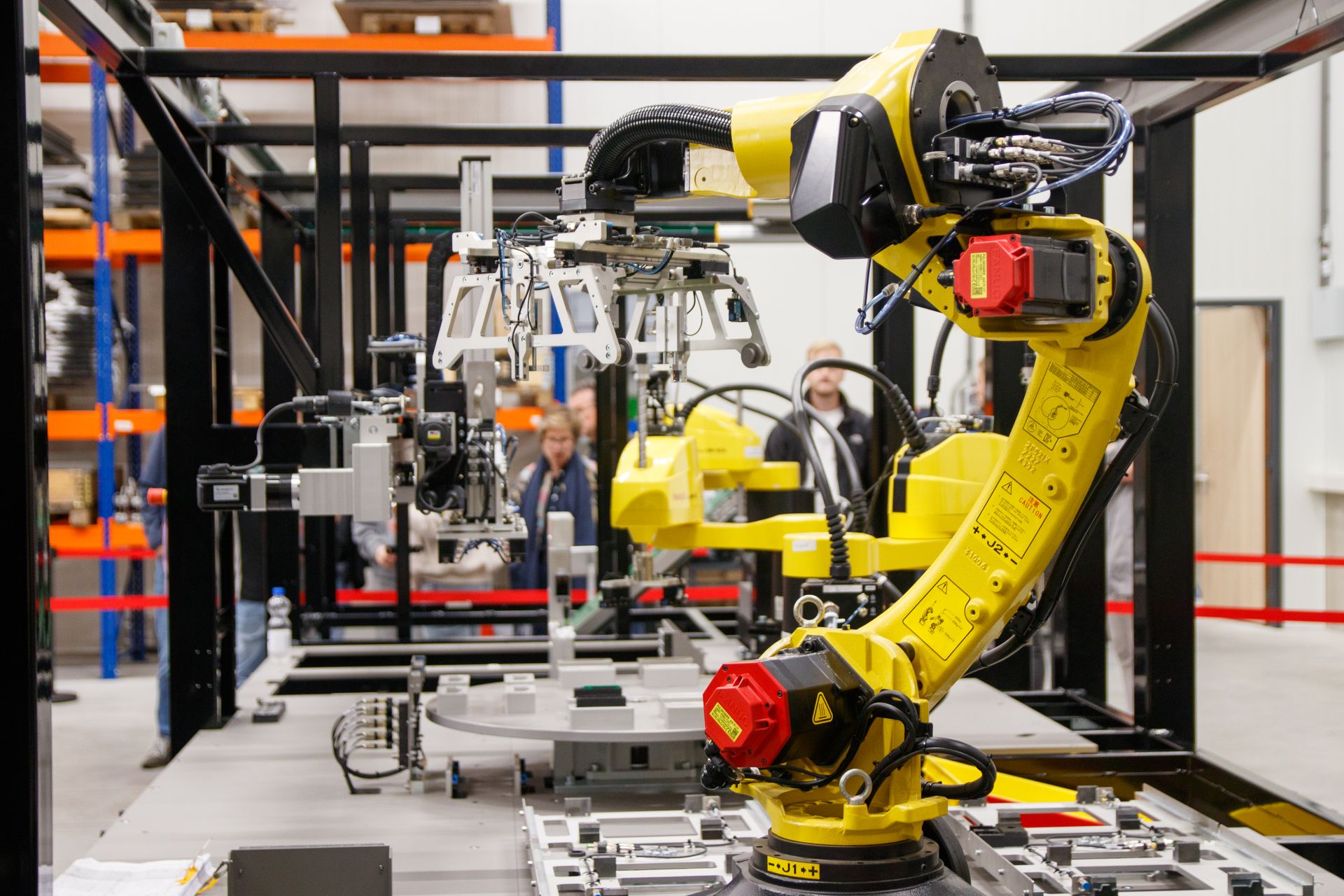
Construction Gantry Digital Twin
ROS 2 Jazzy and Gazebo Harmonic environment for a concrete-printing gantry, integrating motion, feedback, and comparative simulation benchmarks.


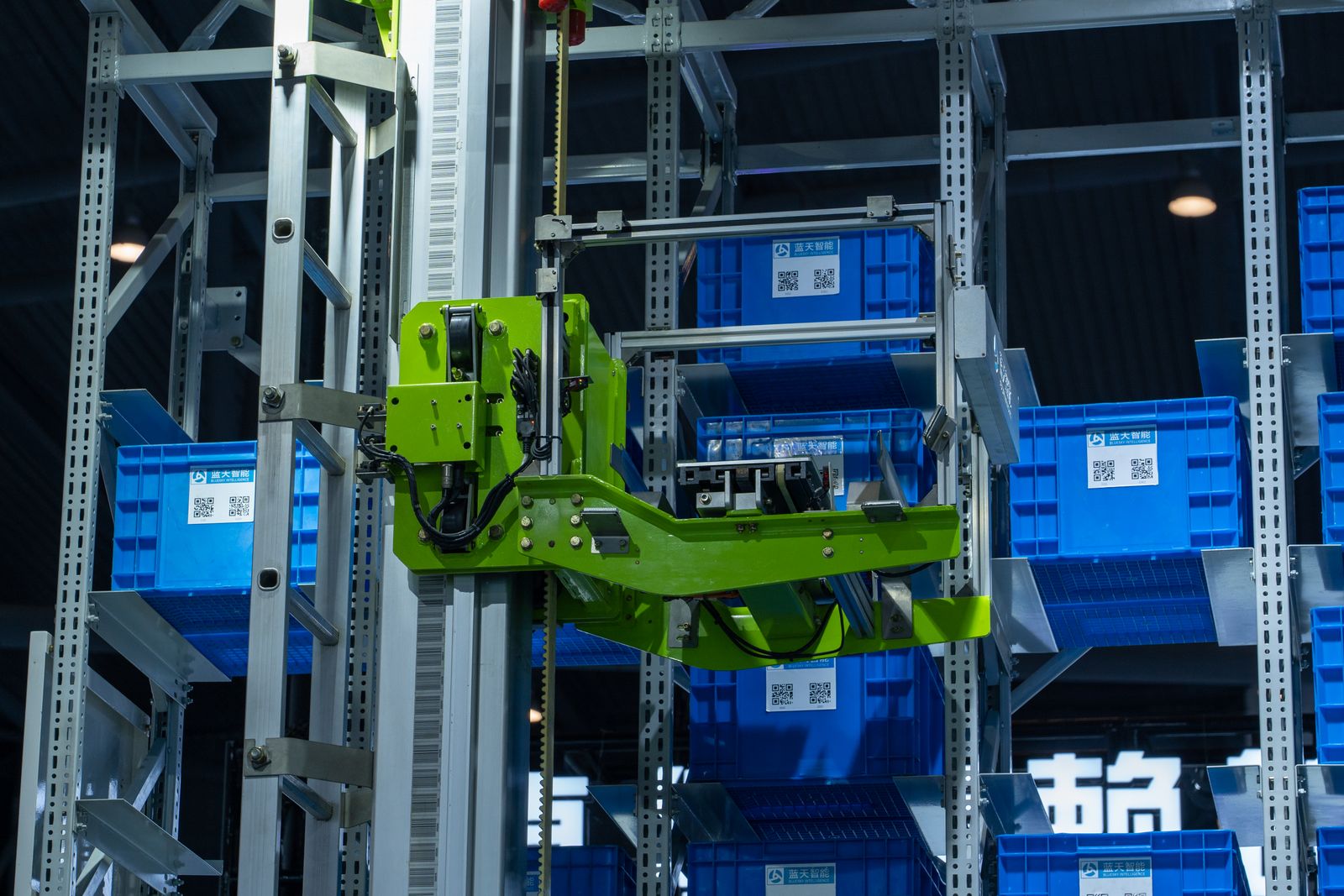
Warehouse Automation Digital Twin
AGV routing, drone stocktake modelling, and facility-layout evaluation for heavy-equipment spare-parts distribution.


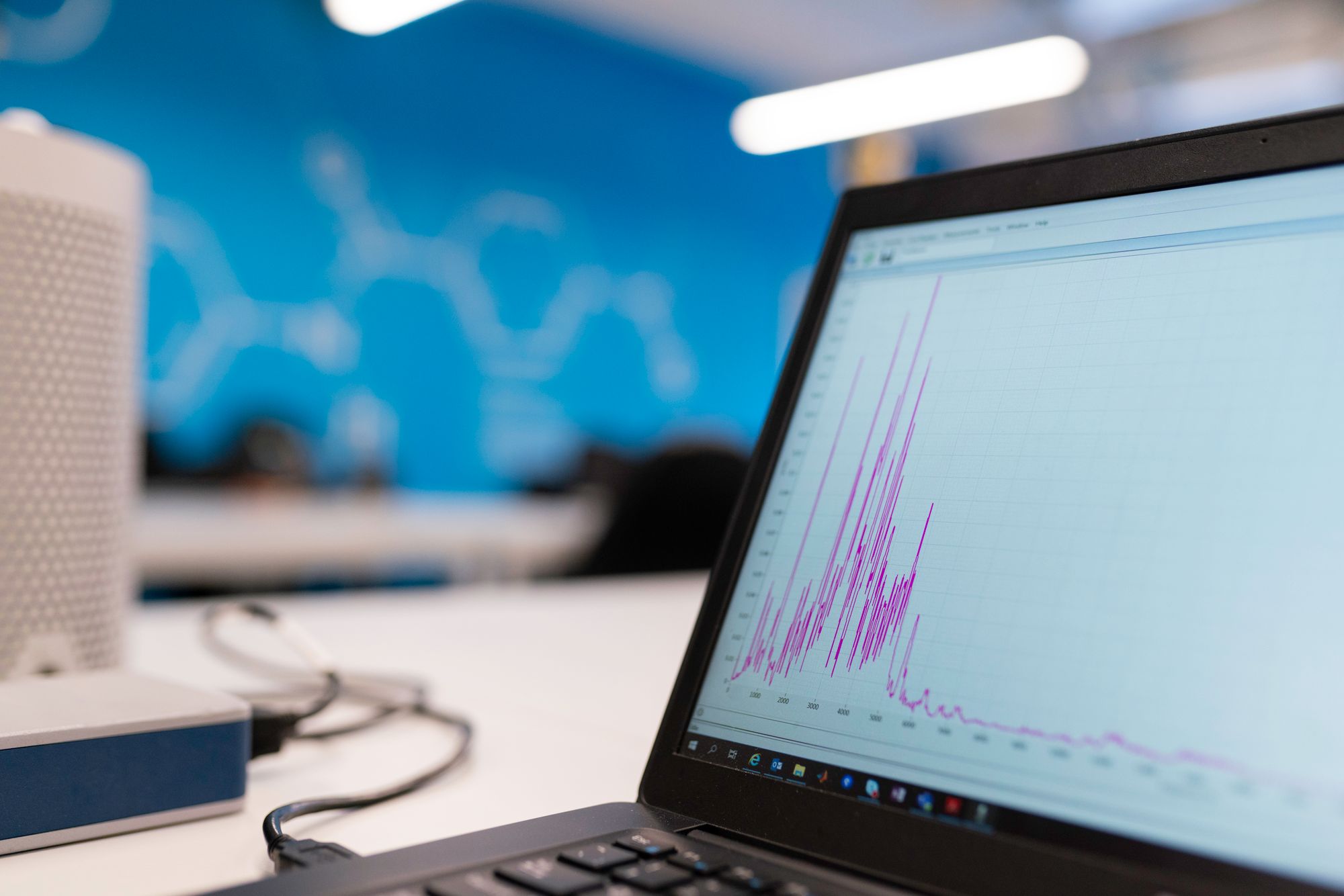
ML Demand Forecasting Pipeline
Random Forest and ARIMA forecasting for retail inventory planning, validated against moving-average baselines.

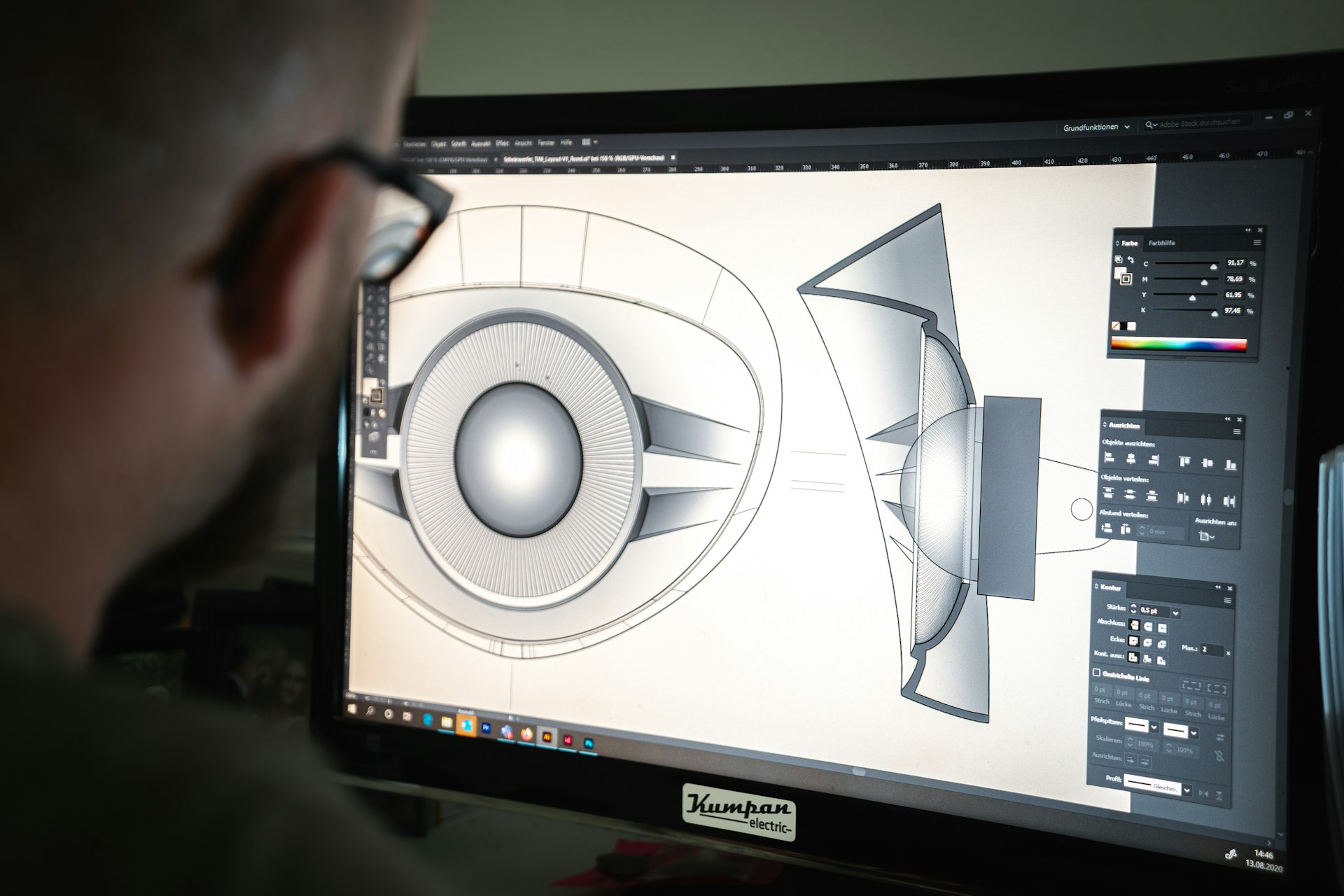
Ankle-Foot Orthosis with Tilt Indicator
Patient-centred product development using QFD, TRIZ, AHP, reverse engineering, and additive manufacturing.

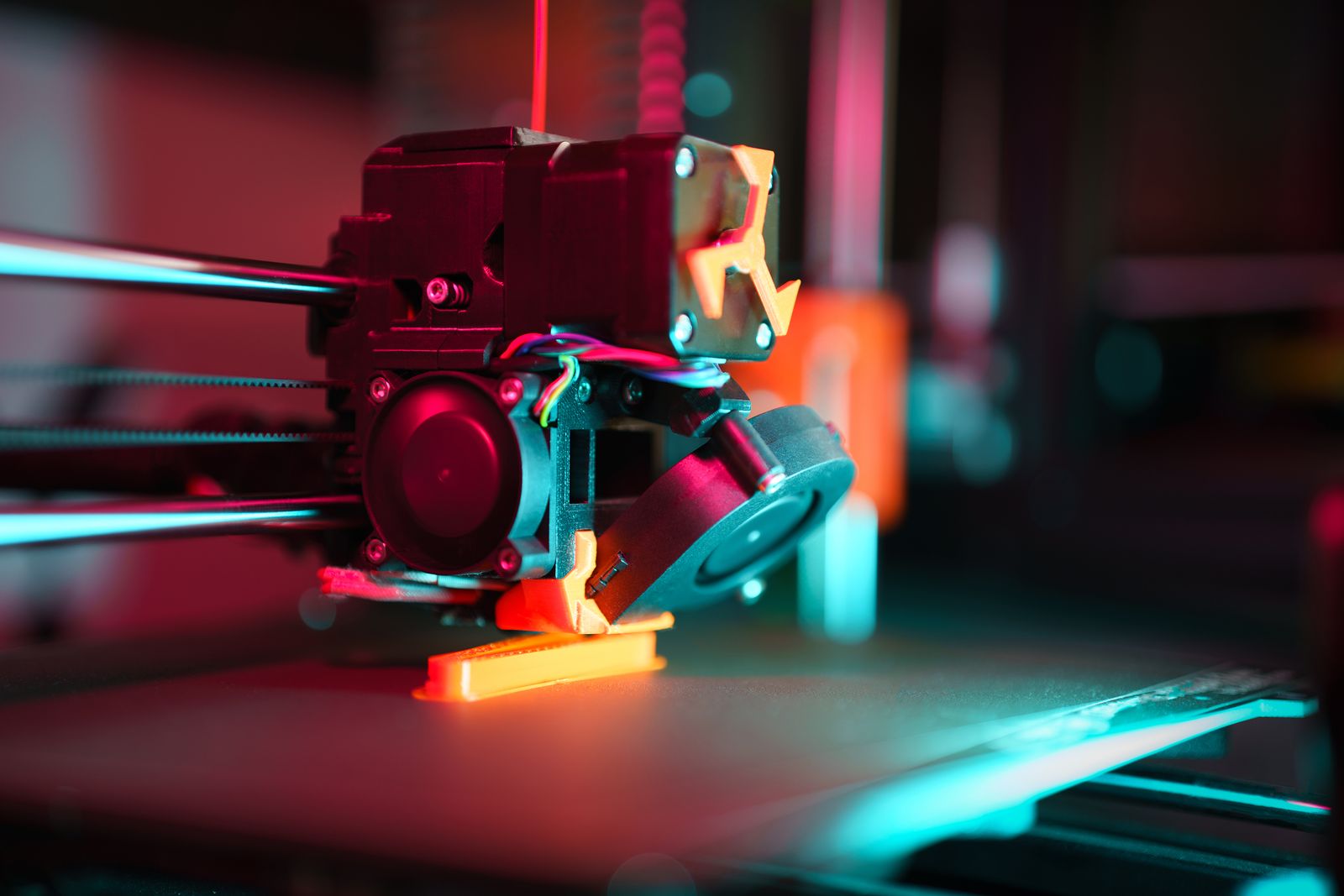
3D-Printed Auxetic Insole Orthotics
Clinical design optimization for flat-foot patients using QFD, TRIZ, AHP, finite-element analysis, and gait trials.
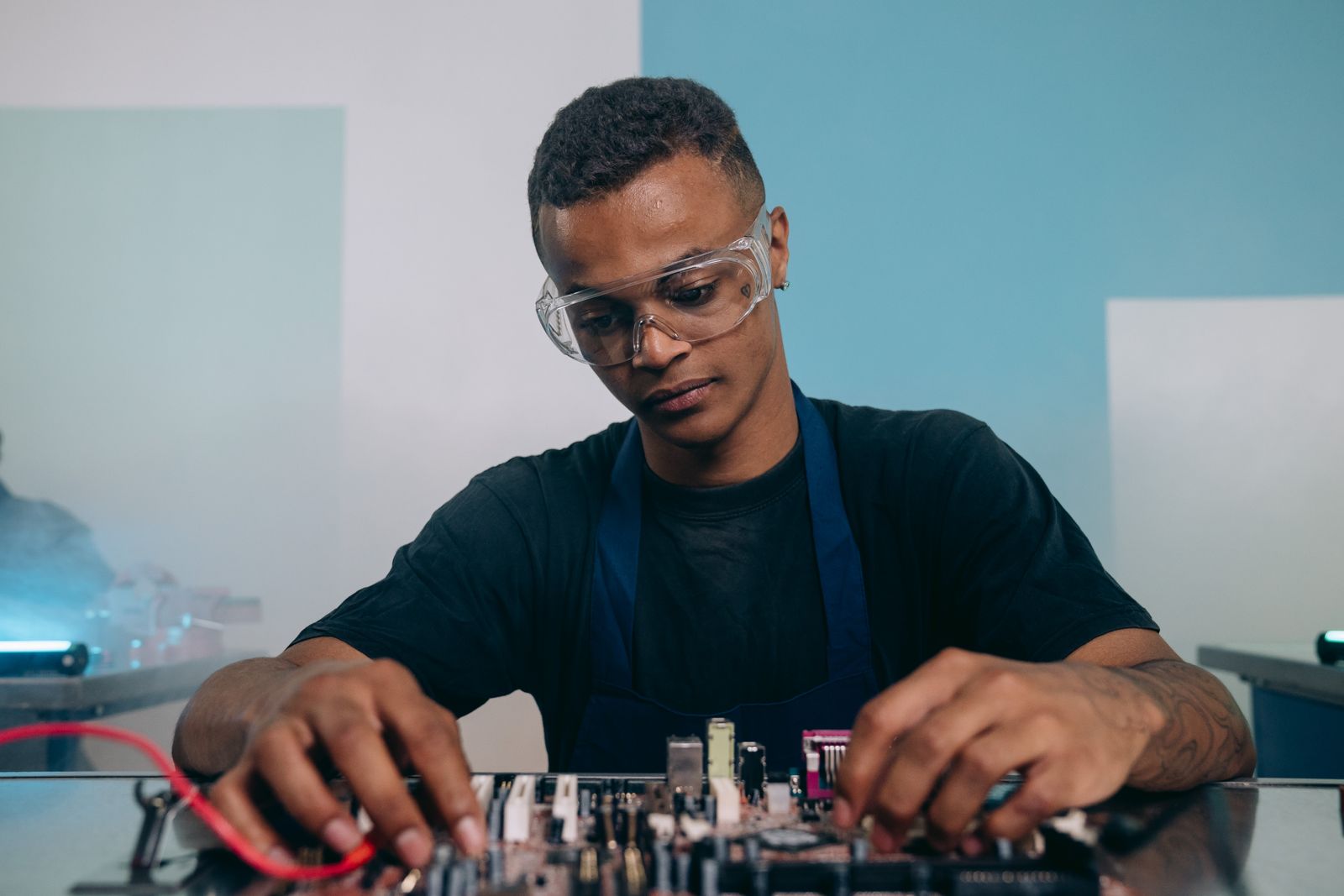
Silicone Prosthetic Finger Colour Modification
A 3D-printed mould workflow for improving skin-tone matching and reducing waste in cosmetic prosthetics.

Sustainable Materials for Greener Footwear
A systematic review of bio-based polymers, recycled composites, and lower-impact footwear processes.
3D Scanning & Printing for Upper-Limb Prostheses
Bibliometric analysis and scoping review of personalized prosthetic production technologies and validation gaps.

Industry 4.0 & Human Factors
Bibliometric review of cognitive load, ergonomics, and human–robot interaction in automotive manufacturing.

Driver Cognitive Stress Detection
A systematic review of EEG, ECG, GSR, and fNIRS methods for detecting cognitive stress in real driving contexts.
Publications & achievements · Google Scholar
Google Scholar impact.
Public-profile snapshot verified 11 July 2026. Scholar’s “since 2021” values currently match the all-time totals.
Source: Marcel Martawidjaja’s public Google Scholar profile · Author ID 7IIu9_kAAAAJ · Verified 11 July 2026
List of publications
-
01Designs · MDPIJournal article
Three-Dimensional Printed Auxetic Insole Orthotics for Flat-Foot Patients
Designs · Volume 9, Issue 1 · Article 15
AbstractThis study develops patient-centred 3D-printed orthotic insoles for people with flat feet by combining Quality Function Deployment, TRIZ, and the Analytic Hierarchy Process. Patient needs were translated into engineering specifications, technical contradictions were resolved, and four material and design alternatives were evaluated. The preferred design used TPU filament with 20% auxetic infill, receiving the highest AHP priority score of 0.2506 for its balance of comfort and function. Load testing also showed the most even pressure distribution, with a standard deviation of 0.1434 and a 25.4% reduction in maximum load compared with using no insole.
Funding PT Teknomedika Manufaktur Inovasi
 BINUS University
7 Google Scholar citationsView paper ↗ -
02E3S Web of Conferences · ICOBARProceedings
3D Printing for Medical Devices: Mini Review and Bibliometric Study
E3S Web of Conferences · Volume 426 · Article 01077
AbstractThis mini-review and bibliometric study examines how additive manufacturing is changing the design and production of medical devices. It compares key processes—including fused deposition modelling, stereolithography, digital light processing, powder-bed fusion, binder jetting, and selective laser sintering—and considers their practical advantages and limitations. The reviewed literature highlights opportunities in surgical tools, personalized devices, and lower-impact materials, where 3D printing can deliver intricate geometry, patient-specific designs, and economical short-run production. The study also identifies material sensitivity and biological complexity as continuing constraints. Biodegradable polymers combined with biological components are presented as a promising direction for more environmentally responsible medical-device manufacturing.
Funding- BINUS University
 Institut Teknologi Bandung
 Universitas Gadjah Mada
 Universiti Teknikal Malaysia Melaka
6 Google Scholar citationsView paper ↗ -
03Prosthesis · MDPIJournal article
Applying 3D Scanning and Printing Techniques to Produce Upper-Limb Prostheses
Prosthesis · Volume 7, Issue 2 · Article 26
AbstractThis scoping review maps how 3D scanning and additive manufacturing are being used to create external upper-limb prostheses. Following PRISMA-ScR, the authors reviewed 274 publications from Scopus, PubMed, Google Scholar, and Web of Science, then used VOSviewer to examine keyword co-occurrence. Four research clusters emerged: user-centred design and evaluation, control and sensing, robotic and mechanical design, and prosthesis accessibility. Temporal analysis also highlighted growing attention to fingers, more capable control systems, and 3D scanning. The review concludes that digital capture and rapid fabrication can shorten development cycles, lower costs, and improve customization, while identifying technical and access challenges that remain.
Funding- BINUS University
 Kemendikbudristek Indonesia
5 Google Scholar citationsView paper ↗ -
04Prosthesis · MDPIJournal article
Color Modification of Silicone-Based Prosthetic Finger by 3D-Printed Mold
Prosthesis · Volume 6, Issue 5 · Pages 1017–1028
AbstractThis study investigates a faster, more affordable route to personalized cosmetic finger prostheses using digital fabrication. A high-resolution 3D scan captured the patient’s anatomy, CAD tools converted the geometry into a reusable mold, and FDM printing produced the mold for pigmented silicone casting. The resulting prosthesis achieved a close anatomical fit, realistic texture, strong patient satisfaction, and a production cost below USD 10, although matching multiple natural skin tones remained difficult. Jebsen-Taylor testing showed slightly slower initial task performance with the device, suggesting an adaptation period. Overall, the workflow demonstrates how scanning, additive manufacturing, and reusable tooling can improve prosthetic customization, comfort, accessibility, and production efficiency.
Funding- PT Teknomedika Manufaktur Inovasi
- BINUS University
- Kemendikbudristek Indonesia
 Kedaireka
4 Google Scholar citationsView paper ↗ -
05IOP Earth & Environmental ScienceProceedings
The Current Development of Sustainable Materials for a Greener Footwear Industry
Volume 1488, Issue 1 · Article 012008
AbstractFootwear manufacturing uses large volumes of resources and produces substantial waste, creating pressure to adopt lower-impact materials and circular production models. This review screened twelve Scopus-indexed, peer-reviewed studies published from 2019 to 2024 to map recent sustainable material developments for footwear. The evidence clusters around two strategies: composites made from recycled waste, and biodegradable materials derived from natural sources. Both approaches can reduce dependence on conventional inputs and improve end-of-life outcomes, but current applications remain confined to limited shoe components. The review therefore identifies a need for broader product-level integration, stronger performance validation, and continued material development before sustainable alternatives can be adopted across complete footwear systems.
Funding- BINUS University
- Kemendikbudristek Indonesia
1 Google Scholar citationView paper ↗ -
06Springer LNEE · CITISIA 2024Proceedings
Colouring a Digitally Printed Cosmetic Silicone Prosthetic Finger
Lecture Notes in Electrical Engineering · Volume 1516 · Pages 566–576
AbstractFinger loss can affect daily function, self-confidence, and psychological wellbeing, yet cosmetic prostheses available in Indonesia are often imported in a single standardized shade that does not represent the country’s range of skin tones. This study applies colour theory and pigment experimentation to a digitally manufactured silicone finger prosthesis. Individual colour profiles are developed for each patient, then incorporated directly into the silicone during fabrication so the selected shade remains bonded to the material. The workflow demonstrates how colour can be personalized within digital prosthetics, improving visual realism, user acceptance, and the rehabilitative value of a custom finger prosthesis.
Funding- PT Teknomedika Manufaktur Inovasi
- BINUS University
- Kemendikbudristek Indonesia
- Kedaireka
0 Google Scholar citationsView paper ↗